
Forget the views, forget the challenge and the memories, the human interaction and the life changing experience; one of the most joyful parts of deciding to hike a long distance trail, is the endless hours of nerdy, dedicated, time consuming, life evaporating, hour filling planning.
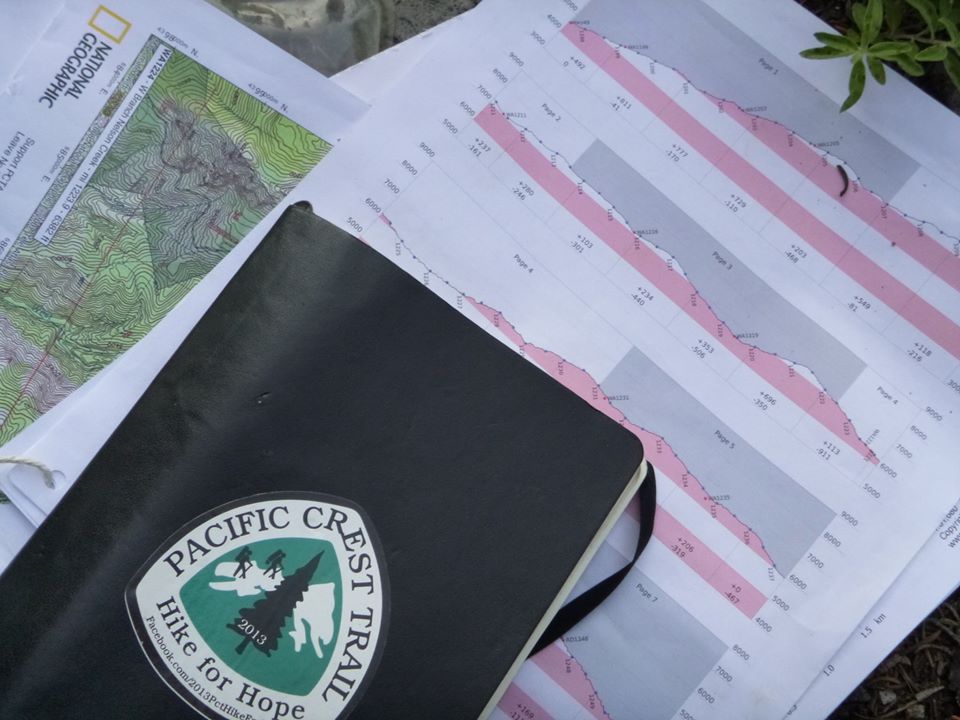
With little to no experience, a year is a decent amount of time to allow yourself for planning, but, even with experience, a year is a nice amount of time to cancel your life. We decided to hike the CDT in April 2018 ready to leave for April 2019.
The main things I tend to focus on are:
- Saving $$$ for the trip
- Getting to the trailhead
- Cancelling/putting on hold many aspects of your life
- Gear: researching, adapting and understanding how it works
For the many people who have “always wanted to but can’t” their reason for not being capable is (not always) but often linked to one of the above. Money, time, house, family, inexperience i.e. – fear!
Saving for the trip:
Personal circumstance will dictate how much the above matters. If you’re loaded, it’s possibly not too much of an issue. I personally have never met a loaded thru-hiker, not to say they don’t exist, but, to make a sweeping generalisation – they don’t exist.
Typically (and this is a generalisation) it costs $1000 or £778 per month to live on trail. So, for a six month hike – £4468 (not including getting to the Southern Terminus or insurance). A startling amount considering you camp for free, you eat cheap hiker food, you’re travelling by foot and you have everything you need on your back. However, when you consider the lure of town, hostels, hotels, town food, laundry, resupplying food, breaking gear, four or more pairs of shoes, losing gear, mailing kit or food up the trail and drinking beer, it mounts up.
I didn’t focus as much on ‘saving’ per-say. I don’t tend to buy much in day to day life, I typically don’t have massive monthly outgoings. After deciding to do this hike, all focus was on hike related things so anything I did buy reflected this. My biggest monthly expenditure is probably food and beer. But this of course is a necessity, not a practice I was willing to change.
One major, helpful move we made, was to sell everything we really don’t need. We went through everything we own and made a decision either way, to sell or to keep. When you get serious about this, it’s quite incredible what you discover you can live without. It is not only cathartic, but addictive. We primarily used eBay and Facebook Market Place, as well as the odd yard sales. To date (13/01/19) I’ve made enough to cover all of my gear expenses.
While on trail, sharing rooms in hotels cuts the price in half. Camping over using hotels, (though a hard derision) is cheaper. Not buying really expensive top quality hiker food saves a lot. Utilising friends, or friends of friends, or friends of friends of friends who live near the trail who could offer some magic is a swell idea too.
Getting to the Trailhead:
For those of us not located in those Unties States, there remains a looming cost of getting to the trailhead. I hate flying, but had to tie in getting there, with weddings, earning as much money as possible, and handing in my notice, so a cruise wasn’t really an option. Flying is certainly the easiest, most expensive, most convenient and environmentally harmful method of travel. We pay back our carbon footprint by promising to walk everywhere once we arrive.
….. after a greyhound from Tucson Arizona to Lordsberg.
…. and a shuttle bus from Lordsberg to the ass-end of nowhere at the trail terminus New Mexico.
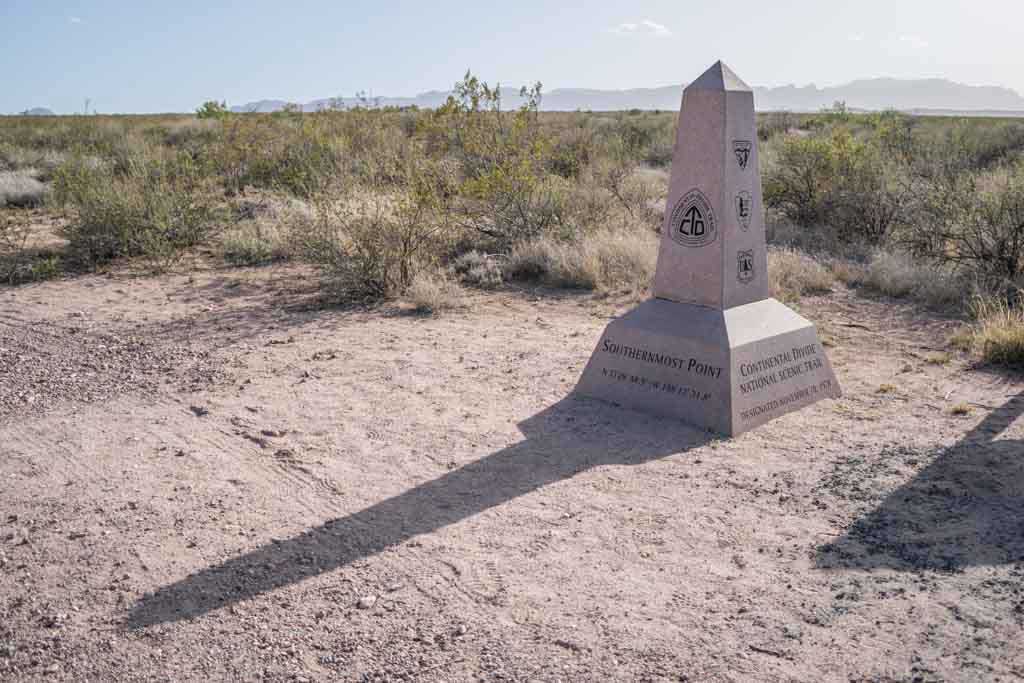
The Continental Divide Trail Coalition (CDTC) run a shuttle service to the southern terminus of the CDT from Lordsberg New Mexico. Its $120, a fee which goes directly into the cost of the program itself: trained driver, fuel, vehicle repairs, rental vehicle, permit fees. CDTC does not make money off of this program. AND the CDTC maintains five water caches between the southern terminus (the start) and Lordsburg (5 days hiking North). Caches are included as part of your shuttle fee. Each hiker is allotted 2 gallons (9L) of water per cache. All in all a great deal, wouldn’t you say?
Well, yes, except May 2nd was one date this shuttle appeared not to be running. This almost through a massive spanner it the proverbial works but for, dan dada dannnnn: Crazy Cook CDT Shuttle Services who, also run….. well, the clue is in the name. We booked in with them for the 2nd of May instead. Now, although, unlike the CDTC shuttle there shamefully no CDT goodie bag thrown in, they do offer: A free pick up the night before you begin your hike, a lift 45 minutes South from Lordsberg to Hachita (closer to the Terminus) a meal the night before you leave, a nights accommodation in their community center, fuel canisters and of course four 2 gallon water caches. All for $100.
Getting ready and cancelling your life:
In many ways, the hardest part.
I didn’t particularly like my current job, so that was an easy errand to run.
I do however, love my house and the place I live / the people I live with.
To mitigate the crashing impact on ‘moving day’ I started about 6 months early. Selling things, moving things (thanks Mum and Dad), painting rooms, stroking my cat a lot, stowing my motorbike (thanks Nick) and talking about the journey – making it very real. In this way, the shock is limited, and the workload, come April, reduced.
Things to consider:
- Your house (rent it / sell it / move out)
- Your things (sell them / pay for storage / beg for storage)
- Your vehicle (sell it / store it / loan it/ cancel insurance / SORN it)
- Your phone (pay for service abroad to use it / cancel the contract)
- Your bank (tell them your going abroad / cancel direct debits)
- Your cat (start training him to hike 20 mile days)
- Sort a pile of things you might want shipped out along the journey (thanks mum)
Gear, oh gear…
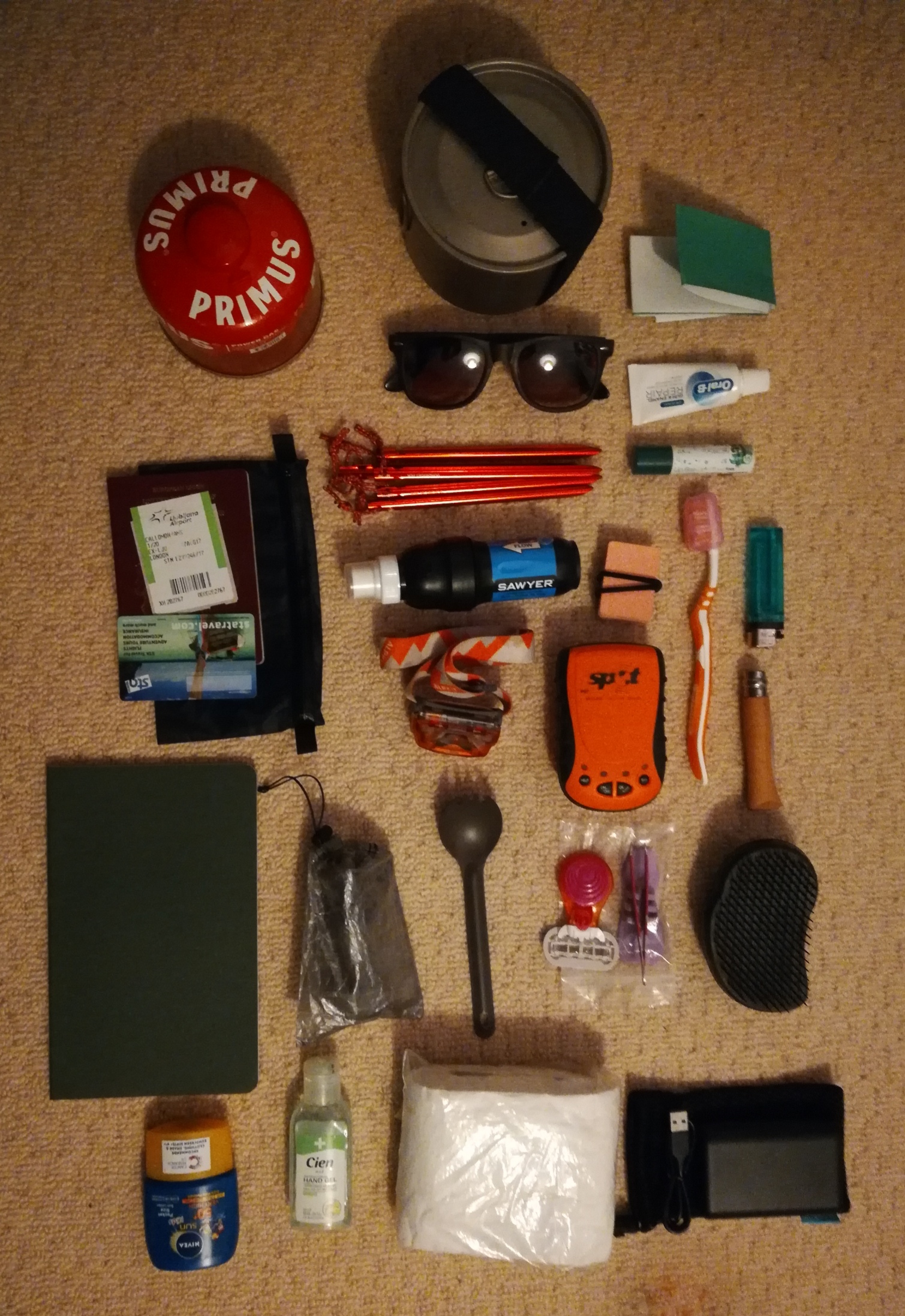
This was certainly my most time evaporating part. I’m still not finished , but here is the current gear list. Get advice, shop around, ask for cosmetic seconds, and most importantly KNOW and have USED what you’re taking. We’ve balanced buying new sexy stuff with using what we already have. Don’t ache and break over every single ounce – your pack will always be too heavy and will always feel like crap when you leave town, regardless of weight.
Comfort while you aren’t hiking should have as much consideration as comfort while you are.
Pack enough not to be too hungry, Pack enough not to be too cold. Hunger and lack of sleep will affect your daily mileage as much as your pack weight.
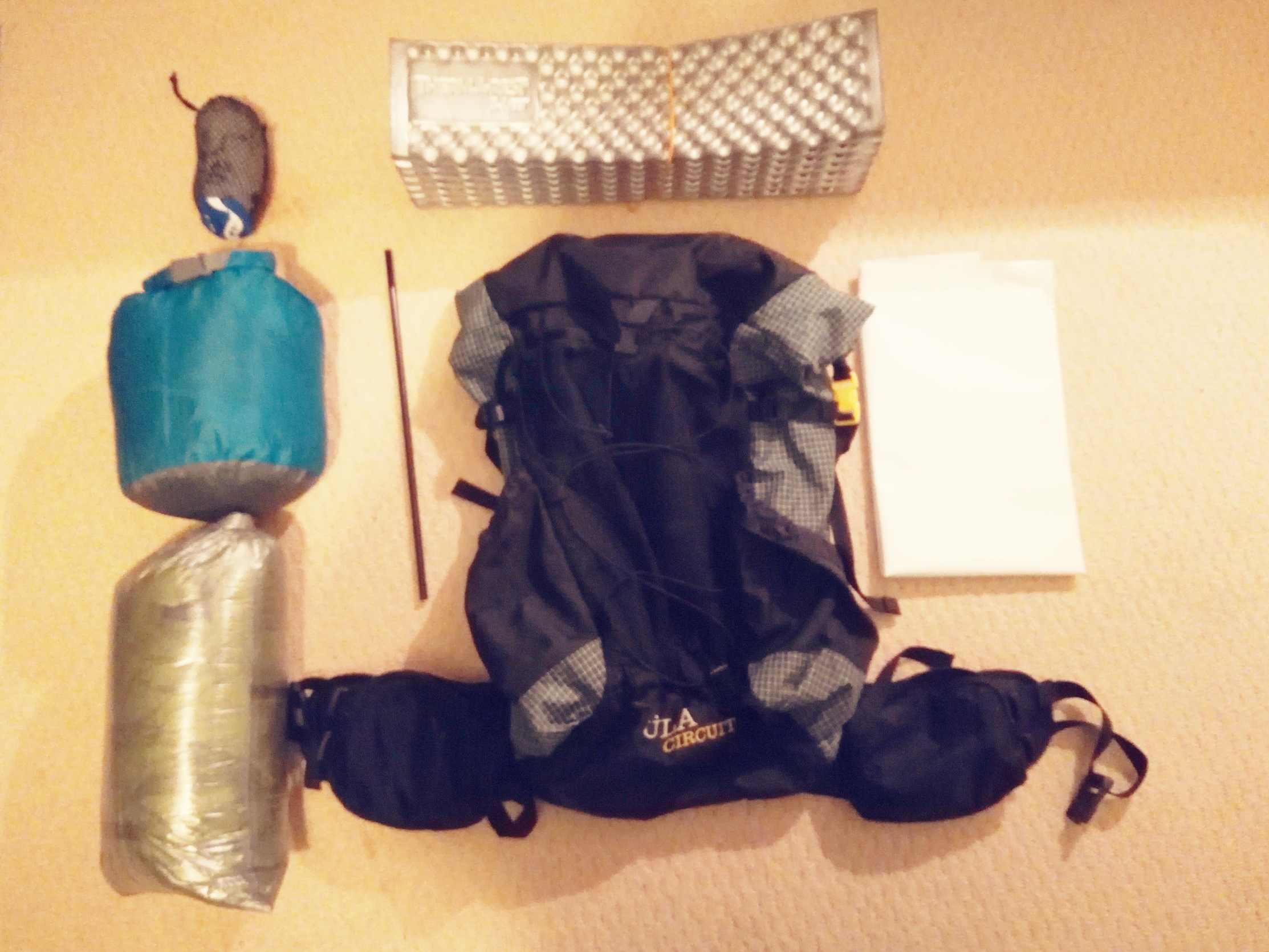
If you get the big 4 right (pack, mat, shelter and sleeping bag) everything else can be altered, exchanged, replaced or more likely, sent home once you’re out there.
The process is, or should be an enjoyable one. The internet is a very useful tool. YouTube is littered with vlogs to get advice from and get excited.
The more astute reader may notice that ‘training’ was not on my list of crucial planning points. Well, no. I do try and keep a fairly steady base level of fitness, but, I’m hoping the trail will allow us to ease in and walk ourselves fit as we go. There is no better way to train for walking for days on end with a fat weight on your back, than doing just that.
For every person I’ll meet beforehand, who tells me “they would love to do something like this, but can’t” – I would put money on meeting someone on the trail, in the same situation, who went ahead and did it anyway.

 SONDER
Astrid – I shallow follow your adventures with admiration. I recently read about Ernest Shackleton – a great leader/explorer who also invested wisely in planning and acquiring the right gear for the task ahead. Good Luck and enjoy.
LikeLike
Thank you Alan! I recently read (and strongly recommend) Ranulph Fiennes biography: Mad, Bad, and Dangerous to Know, A thrilling and quite emotional read…. I’m happy to know you’re following.
LikeLike
Reading materials? Cards? Journal? What do you do with your head?
LikeLike
Ah yes, have a look at the gear page. I do take a journal and plan to draw my bed each morning. We also have a tiny deck of cards. Well reminded, I should put the cards on the gear list!
LikeLike
Oh and are you encouraging visitors… you might come round the corner and find a familiar figure lounging against a post…(in my bear-repelling suit)
LikeLike
Dear Astrid,
I’m in the van, squashed in the back on tour laughing at your post. I’m going to REALLY like these postings….
… (loosing is spelled losing, ahem)
to heavy ought to be too heavy.
Effect ought to be affect (for once).
Ought I to continue on this spell-quest? or is it just a minor irritant?
Spanx Brigitte!
Dadd
>
LikeLike
Look forward to following this x
LikeLiked by 1 person
Hi Astrid,
Cindy and I will be cheering you on from Canada
(we met early PCT in ’13) I hiked from Crazy Cook up to Grants in 2017. Lots to see and enjoy. Surprisingly, New Mexico has the 4th highest average elevation in the US. Colorado, Wyoming and Utah are the other top 3. As you get ready to hike a couple of quotes come to mind: one from John Steinbeck https://www.goodreads.com/quotes/77631-once-a-journey-is-designed-equipped-and-put-in-process
and an end bookend poem that you likely have seen before: The Return by Geneen Marie Haugen
Cheers, Kyle
LikeLike
Kyle! You need no reintroduction. I’m so happy to have you cheering us along. I read your message the moring we left home and was so glad to read those quotes. I’d not read the Steinbeck one before. ‘The Return’ is one I hold close to my heart, thank you for forcing me to reread it in a perfect moment. Lots of love to you both. X
LikeLike